A set of numbers stirred China’s industrial automation circle in 2026: the domestic share of medium and large PLCs climbed from under 12% a decade ago to 35%, while DCS localisation passed 60% (China Gongkong, July 2026). On 5 November the same outlet flagged a new variable: memory price increases are opening an acceleration window for small and medium PLCs. Definitions differ between research houses, though. A CICC report in October put Q2 2026 domestic share at about 38% for small PLCs and about 18% for medium and large ones. That gap in definitions itself shows the substitution debate has moved from “can it be used” to “in which scenario can it be used”.
Three things integrators actually have to do
Compatibility checks belong in the drawing stage. I/O terminal definitions, common-terminal polarity, scan cycle and interrupt response are not identical across brands. Writing those differences into schematics and wiring schedules is far cheaper than rewiring on site.
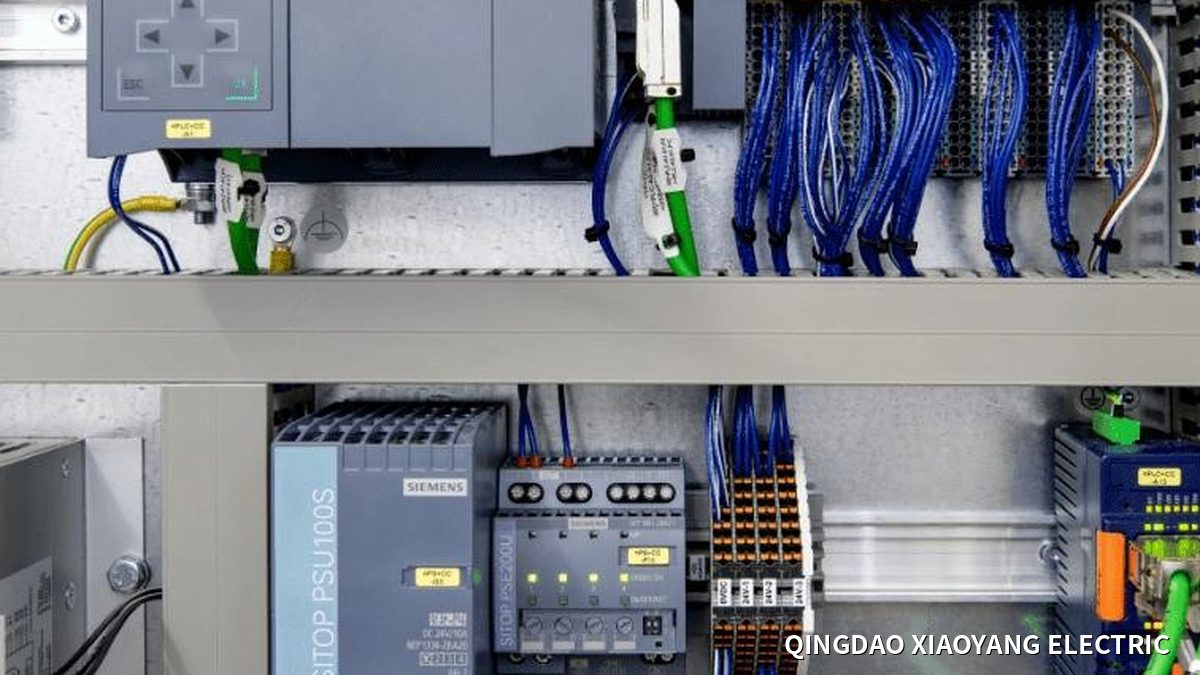
Panel craft has to be recalculated. Domestic modules differ in power-loss distribution, heat path and shielding requirements. Terminal spacing, wire-size margin and earthing method must be laid out around the actual module rather than copied from an old drawing.
Spares and service belong in the contract. The real risk of substitution is not year one but year three: firmware versions, spare-part response time and software upgrade paths are best fixed in the purchase agreement.
Localisation is not swapping a card; it is swapping a set of engineering habits. Whoever changes the habits first is the one who actually captures that 35%.