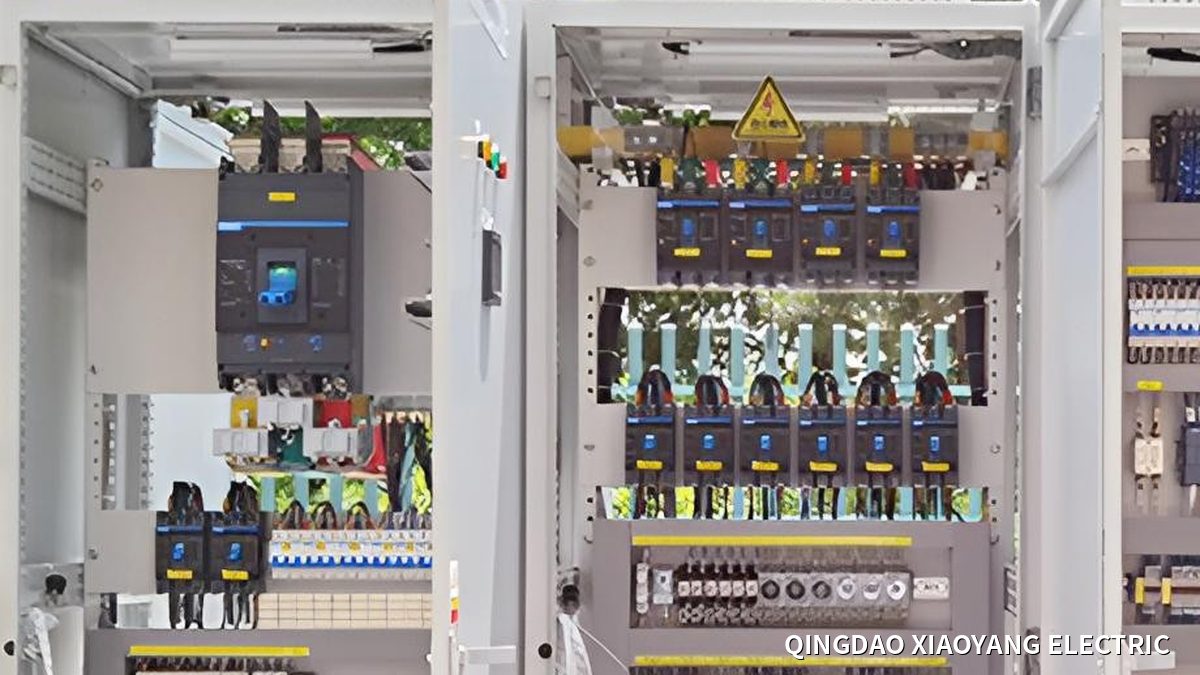
A group of association standards for outdoor distribution equipment took effect during 2026. The general inspection specification for outdoor integrated distribution boxes, published on the national association-standards platform, requires solid-object and water tests at the designed IP level, a 96-hour salt-fog test to GB/T 2423.17 with no serious corrosion afterwards, and an IPX5 water test using a 6.3 mm nozzle at 12.5 litres per minute. The specification for outdoor cable branch boxes requires coated metal enclosures to show no blistering, flaking or rust after salt fog, and no red rust on the base metal. A further standard for intelligent cable branch boxes sets IP54 as the outdoor minimum, allows IP65 for customised units, and calls for salt-fog testing beyond 480 hours.
Three common misconceptions
Static water testing without the breathing effect. Day-night temperature swings create a pressure differential across the enclosure wall, and moisture enters through breather valves, cable entries and micro-gaps in gaskets, then condenses on busbars and terminals. Passing a water test does not mean the site will stay dry.
Ignoring gasket material and compression. Silicone rubber and EPDM differ markedly in rebound and weather resistance; compression is normally held at 25% to 30%. Too little leaks, too much accelerates ageing.
Treating salt fog as the only corrosion factor. Coastal and chemical sites usually combine salt fog with chemical attack. The choice between 304 and 316, and between fluorocarbon coating and ordinary powder coating, should be settled at project definition stage.
An IP rating is an entry ticket, not a diploma.